

KENYA & UGANDA
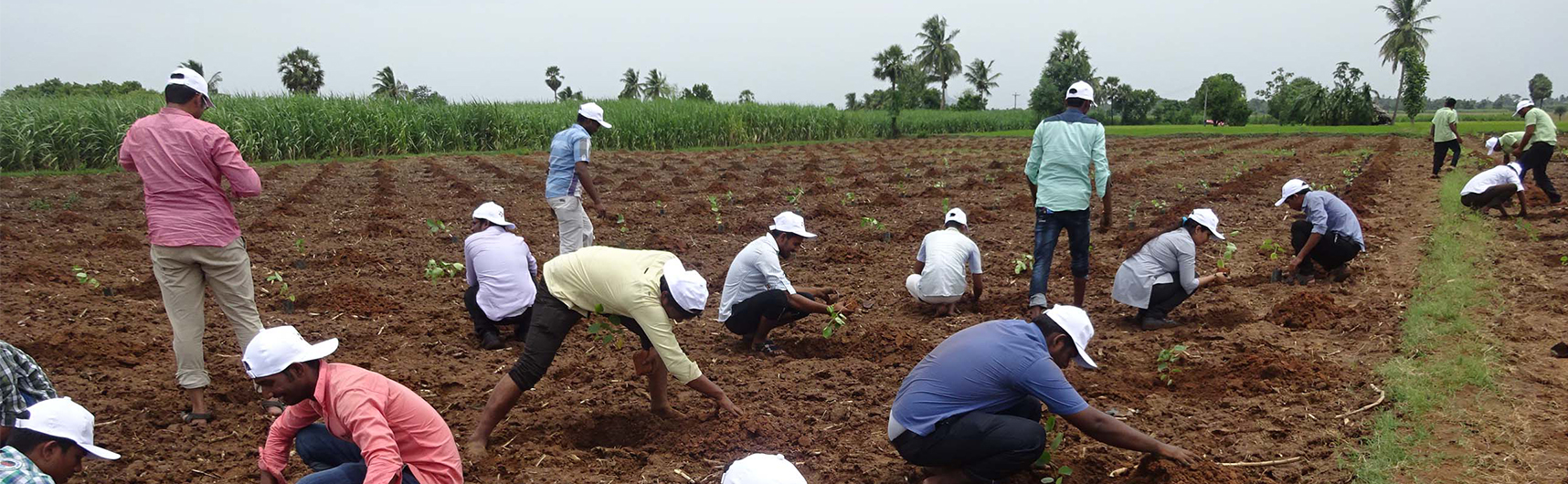
This project helps small communities plant trees to create a nature-based carbon removal system that helps train leaders and pull families out of poverty.

Why we chose this project
“This project includes a robust GPS-based monitoring system to independently track the trees and report project progress online. This level of ‘absolute transparency’ into field operations ensures TIST is a project Cool Effect can confidently stand behind.
The sale of carbon credits provides income and funding to address a variety of challenges faced by the local community including agricultural and nutritional deficiencies, HIV/AIDS, clean cooking, and fuel availbility. The project distributes 70% of the profits to the local farmers and raises the standard of living for this rural population while combating climate change.”
—Sid Yadav, Director of Project Research
The Cool Effect Model
Project Type: Nature-based Carbon Removal
Carbon Standard: Verra
Vintage: 2015-2020
Additionality: There are no laws or regulations requiring TIST implementation and tree planting is not common practice, especially on agricultural lands. Without the sale of carbon offsets, the communities would not have the capital for tree planting or the organizational programs for implementation.
Permanence: This project requires active community engagement and local stakeholders must commit to increased longevity of the trees. The project sets aside a percentage of its credits in a buffer pool, insurance against loss.
Site Visit: Africa, pending COVID-19; India, 2019
What It Does
The International Small Group and Tree Planting Program (TIST) doubles as a reforestation and sustainable development project implemented by small groups of 6-12 farmers in Kenya, Uganda, Tanzania, and India. To date in 2021, TIST tree planting efforts have sequestered 6 million tonnes of CO2 while creating sustainable local environments and a potential, long-term, income stream for sustainable livelihoods.
TIST’s ability to scale reflects the community’s response to and efforts for the project: the farmers choose the trees to plant, breaking the cycle of deforestation, drought, and famine, since the trees reduce erosion, stabilize and enrich the soil, and provide shade. The benefits and income opportunities also have expanded to include edible fruits and nuts, medicines, windbreaks, firewood, and timber.
Participation in TIST is voluntary and often sought out by farmers through word of mouth, TIST seminars, training, and cluster meetings. Potential participants seek knowledge on climate change and mitigation approaches at TIST’s community events. TIST also provides agricultural education, nutrition education, and employs those suffering from HIV/AIDs.
The only product sold by the project is the carbon offsets. The Small Groups that form the backbone of the project own the trees and their products (fruits, etc) and the Groups control the revenue. Without carbon revenues, TIST is not viable or sustainable.
Benefits
- Creates jobs in the local communities, including for individuals with HIV/AIDS so that their families have income.
- Provides alternative and sustainable revenue sources including timber, firewood, fruits, nuts, and fodder.
- Trains and educates on conservation farming, nutrition, public health issues, leadership, and local climate change impacts and mitigation strategies.
- Empowers women to participate in the program, specifically in leadership roles.
Challenges
- Project area is always at risk of pest infestations that could destroy the trees.
- Project area is at risk of illegal grazing or logging.
- Project area is at risk of natural disasters, including droughts, that could impact the growth or survival of the trees.
- COVID-19 impacted project activities in 2020.


.svg)
.svg)
